The Living Moss of Kyoto Gardens
Entering the cloistered courtyards where monastic horticulturists have nurtured micro-ecosystems across seven centuries.
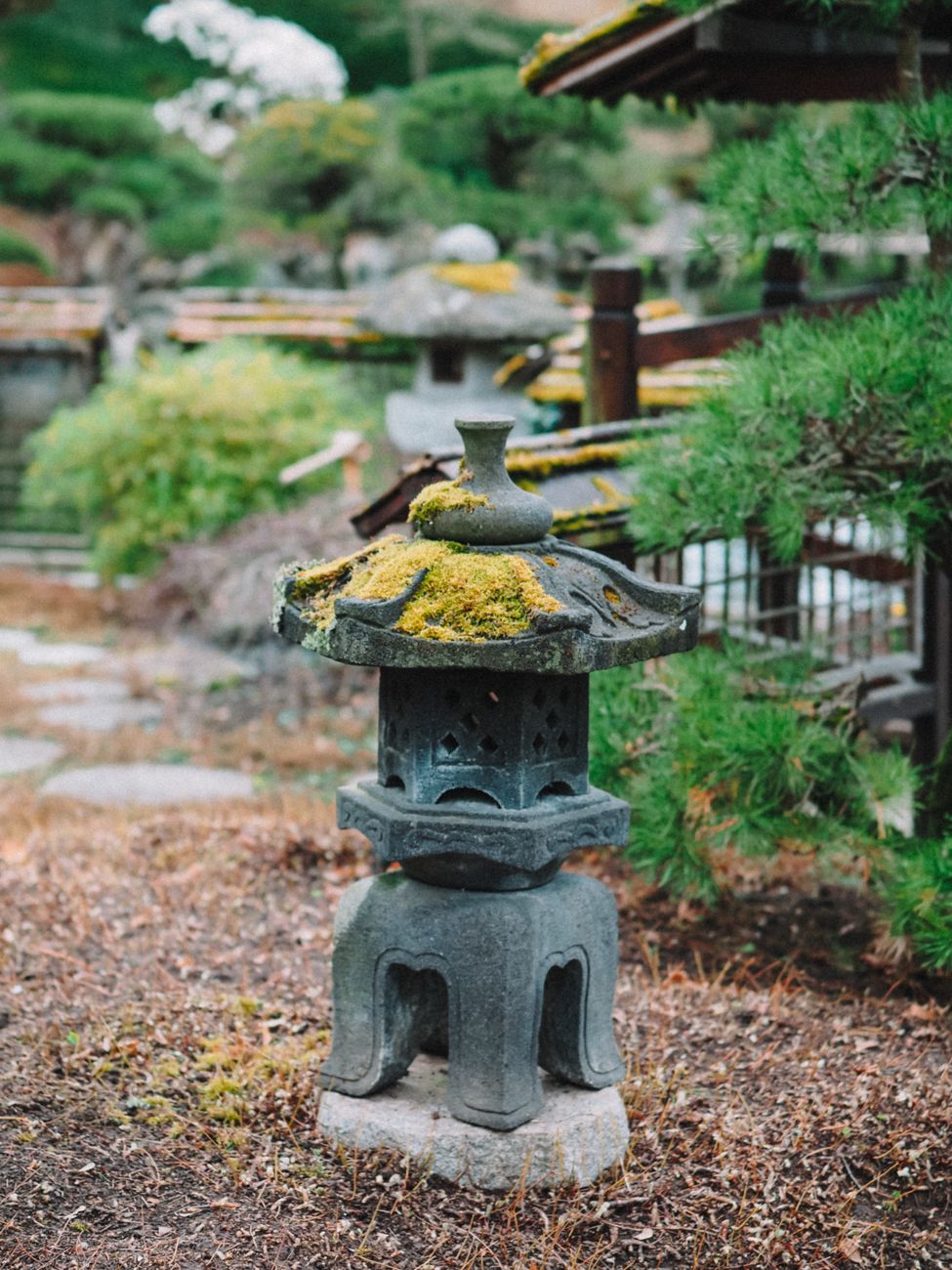
At Saiho-ji, commonly known as the Moss Temple, the air carries the scent of damp loam and cedar resin. Over 120 varieties of bryophytes carpet the undulating earth, softening stone lanterns and roots alike into velvet contours. Here, nature is neither wild nor rigidly subjugated; it exists in delicate, mutual pact with human attention.
The Philosophy of Continuous Tending
Western gardens often seek the spectacle of transient blooms and symmetrical axes. By contrast, the Kyoto moss garden values continuity, micro-variation, and the passage of moisture. Monks sweep fallen pine needles with soft bamboo brooms twice each morning to allow filtered light to nourish the subterranean spores.
“To understand moss is to cultivate patience with the microscopic. Nothing here happens in a single season.”
Sanctuary from the Urban Tide
Stepping off the crowded train lines of central Kyoto and into the western foothills reveals how effectively traditional architecture acts as acoustic protection. Wood verandas (engawa) cantilever out over the carpeted soil, allowing guests to witness rain without touching the damp turf.
For the traveler, this setting is a sanctuary of sensory recalibration. We learn that stillness is not empty; it is teeming with life when observed at the appropriate scale.
Plan a Mindful Exploration of Japan
Explore our private temple retreats and artisan workshops across the Kansai province.
Speak with Our Curator